
 Martin
The Psychology of the World Cup: More Than Just a Game
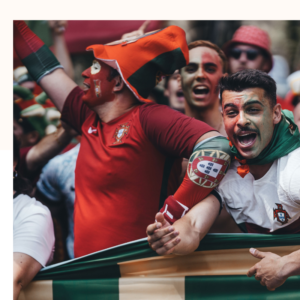
Every four years, all around the world, billions of people become emotionally invested in football. It’s the World Cup. Oh yeah baby, it’s super exciting!! Streets fill with flags, strangers unite in pubs, events and living rooms, and everywhere with every win, draw, defeat or even worse a penalty shootout emotions run high.
But what is it about the World Cup that captures us so deeply?
From a psychological perspective, the World Cup is about far more than football. It touches upon some of our most primal needs: belonging, identity, hope, competition and collective emotional experience.
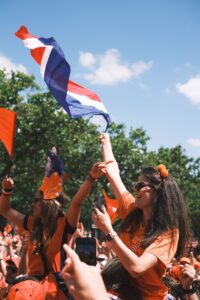
The Need to Belong
Humans are social beings. We naturally seek connection and a sense of belonging to groups larger than ourselves. It makes us feel safe and less vulnerable. It promotes an unconscious sense of wellbeing and security.
These parts of us – and more – become active when supporting our national team. And as a result, the experience can evoke powerful feelings and emotions, linked to our sense of identity and a shared perspective or purpose. For those few weeks intensive weeks, people who may otherwise have little in common become united through a collective experience. The success or failure of the team can feel intensely personal because it becomes intertwined with our sense of who we are. Interestingly, as I write I am reminded of Covid and lockdown, but that’s another story.
With such emotional investment, psychologically, the team becomes an extension of ourself. So, when they win, we feel elevated as if ‘we’ve won’ and when they lose, we can experience loss, sadness or disappointment, which can feel surprisingly profound and powerful.
Hope and Emotional Investment
Sport offers something psychologically difficult to bear, uncertainty. And uncertainty can provoke feelings, memories and emotions that can be profound and, in some cases, difficult and unsettling.
The World Cup provides lots of scenario’s touching upon these dynamics as every tournament begins with hope. Hope is a wonderful things, full of dreams, good stuff and glory. At the start, fans can dream of victory, redemption or success, whilst sometimes, also evoking deeper more powerful primal feelings. Tribal aggression is often displayed and acted out as memories towards rivals or enemies – who crushed the dreams and hopes – provoke feelings of anger and revenge. In this way, hope is an intoxicating place to be, but it’s also a risky place to be because excitement and optimism in concentrated forms can easily swing into the polar opposites.

Every Hero needs a Villain.
The World Cup often creates heroes and villains within the public imagination. The media love to elevate a star player who may become the embodiment of courage, determination and resilience. A hero, the conqueror who defeats the enemy. But every hero needs a villain, and, in this way, an opposing player or team may become the focus of frustration or hostility.
Psychodynamic thinking suggests we often project aspects of ourselves onto other people. Unresolved bits of ourselves that we find difficult to think about. These can be uncomfortable parts of ourselves – like villain – but positive parts of ourselves – like the hero – we would like to be. For instance, the qualities we admire, envy, fear or dislike can become attached to (projected upon) players, managers and teams.
This process can help explain why sporting debates can become so emotionally charged. So often, we are responding not only to events on the pitch, but also to our own internal emotional world that are experienced through the football.
Shared Joy, Shared Disappointment
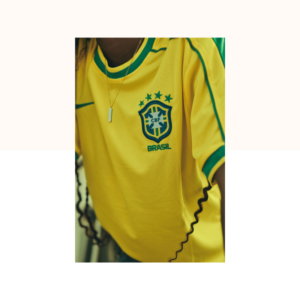
One of the most powerful aspects of the World Cup is the opportunity to experience emotions collectively. Other parts of tribalism belonging to our primal origins. So, while celebrating with others can amplify feelings of joy and connection, equally sharing disappointment can provide comfort and solidarity.
Psychologically, these shared emotional experiences help us feel less alone. They remind us that emotions are a natural part of being human and can be experienced safely within a community.
What the World Cup Reveals About Us
The World Cup reflects many aspects of our human nature: our desire to belong, our need for meaning, our hopes, fears, ambitions and vulnerabilities.
Whilst the tournament lasts only a few weeks, the emotions evoked can be powerful and reveal something enduring about the human condition.
Perhaps that is why the World Cup matters so much. Beneath the goals, trophies and rivalries lies a story about connection, identity and what it means to be part of something bigger than ourselves.

At MiP, we believe that understanding that emotional experiences shape our lives. This can be found in all sorts of place, like in therapy, relationships, work and sport. By understanding and gaining insights we can develop greater self-awareness, empathy and psychological wellbeing.
If you need help you’re not alone. Help is near. You can contact us here