
 Martin
Elder Abuse: What is it and why does it matter?
One day we might find ourselves in the category defined as ‘elderly’ and needing someone else to take care of our needs. Ageing is inevitable and here at MiP we feel it is very important to understanding what it’s like to feel vulnerable and dependent upon our carers and the effects if it goes badly.

I’d not heard of World Elder Abuse Awareness Day until very recently and feeling curious I discovered the first World Elder Abuse Awareness Day (WEAAD) was held on 15 June 2006. It was launched jointly by the International Network for the Prevention of Elder Abuse (INPEA) and the World Health Organization at the United Nations to raise global awareness of the abuse, neglect and exploitation experienced by older people. This came about to shine a light on the treatment of older people, often behind closed doors and out of sight, as it became apparent that many elderly people experience emotional abuse, neglect, coercion or psychological harm when in the care of others. Often these others are people entrusted with our loved ones. People hired or paid for at great expense, and with a huge amount of trust given to them. Sadly, what lurks in the dark can be suffering and suffering can be much harder to identify in those who remain silent and struggle to manage alone.
In the UK, as the population continues to age exponentially and with more people retiring and needing help in later life, it is increasingly important to recognise the impact of elder abuse and how it can impact the emotional wellbeing, mental health and quality of life of those in the later stages of life.


So, what is Elder Abuse?
It is an unusual term, ‘elder abuse’ ,and simply refers to any act or failure to act of someone who ignores or directly causes harm or distress to an older person.
In these terms elder abuse may include:
- Emotional or psychological abuse
- Financial exploitation
- Physical abuse
- Neglect
- Discriminatory abuse
- Coercive control
- Social isolation
Emotional abuse is amongst the most common yet least recognised forms of harm experienced by older adults. Sadly, this is not new.
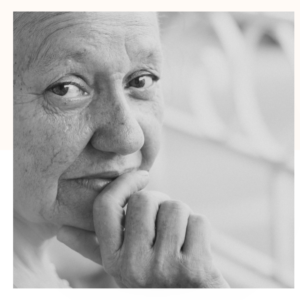
The Hidden Impact of Emotional Trauma
Emotional abuse can involve intimidation, humiliation, manipulation, threats, exclusion, controlling behaviour or persistent criticism. Facing these types of threat can significantly affect a person’s confidence, their sense of identity and their emotional health. Sometimes, and in extreme cases, the abuse can target elderly people who may already be experiencing some loss of cognitive motor skills and are frightened they may be losing their memory. A distressing enough condition to face, but if this is combined by a carer giver who is deceiving the older person, the affect is even worse. The emotional abuse may develop into upsetting symptoms such as:
- Anxiety and excessive worry
- Depression and low mood
- Feelings of helplessness
- Reduced self-esteem
- Sleep difficulties
- Social withdrawal
- Increased loneliness
- Loss of trust in others
The Connection Between Elder Abuse and Mental Health
It might seem easy to see how the mental health of older people being abused can become affected. And for older adults living with cognitive decline, dementia, physical health conditions or reduced social support they may also face additional safeguarding risks.
Unfortunately, many victims do not report their experiences due to fear, shame, guilt or confusion. Worrying about upsetting family members, losing close relationships or their support networks people often suffer in silence. A painful silence which exacerbates the experience and the symptoms.

Why Safeguarding Matters
Psychological safeguarding refers to the actions, policies and practices that protect a person’s emotional and mental wellbeing from harm. It involves creating environments where people feel safe, respected, valued and free from emotional abuse, intimidation, neglect, discrimination or exploitation
Safeguarding is everyone’s responsibility and something everybody should receive. Sadly, this is often not the case. So, by highlighting the importance of effective safeguarding we aim to protect adults who may be at risk of abuse or neglect while supporting their individual rights, dignity and independence.
There are some common signs that an older person may require support such as:
- Sudden changes in mood or behaviour
- Increased anxiety or withdrawal
- Higher levels of agitation or distress
- Fear and in particular around specific individuals
- Unexplained financial difficulties
- Neglect of personal care
- Isolation from family, friends or community activities

Supporting Older Adults with Compassion
World Elder Abuse Awareness Day encourages us all to challenge ageism, promote respect and strengthen community connections.
Some practical ways to support older adults can include:
- Maintaining regular contact with older family members and neighbours
- Showing interest and encouraging conversation
- Encouraging and supporting social engagements
- Listening without judgement when concerns are raised
- Understanding safeguarding procedures
- Promoting access to mental health support when needed
- Raising awareness of elder abuse within organisations and communities
Every older person deserves to feel safe, valued and respected.
Raising Awareness Together
If you have concerns about an older adult’s safety or wellbeing, seek advice from appropriate safeguarding professionals or support organisations. If you are unsure where to turn MiP are here and you can contact us for support too.